Posted on

Maximizing Efficiency in Business and Consumer Services

Understanding Business and Consumer Services

In today’s dynamic economy, the distinction between business and consumer services is critical for both providers and customers. Understanding these categories can help organizations tailor their offerings, enhance customer satisfaction, and achieve long-term success. This article delves deep into the definitions, scopes, key differences, and fundamental aspects of service delivery associated with these two vital sectors.

Definition and Scope of Business Services

Business services encompass a wide range of services that support the operations of businesses. These services are designed to facilitate core business functions, allowing companies to operate more efficiently and effectively. The scope of business services includes, but is not limited to:

  • Consulting Services: Offering expert advice in areas such as management, finance, marketing, and IT.
  • IT Services: Providing technological support, software development, and cybersecurity solutions.
  • Human Resource Services: Managing recruitment, training, payroll, and employee relations.
  • Logistics and Supply Chain Services: Ensuring efficient transportation, warehousing, and inventory management.
  • Financial Services: Offering accounting, auditing, and financial advisory services.

For example, a consulting firm may help a startup develop its business strategy, while an IT service provider could implement the necessary software solutions to streamline operations. The primary aim of business services is to enhance productivity and drive growth.

Definition and Scope of Consumer Services

Consumer services refer to services that cater directly to individuals rather than businesses. These services aim to meet the needs and preferences of consumers in various ways. The scope of consumer services includes:

  • Retail Services: Selling goods directly to consumers through physical stores or e-commerce platforms.
  • Hospitality Services: Providing accommodation, food, and entertainment, such as hotels and restaurants.
  • Healthcare Services: Offering medical care, wellness programs, and health insurance.
  • Personal Services: Encompassing beauty, fitness, and personal care services.
  • Financial Services for Consumers: Including personal banking, insurance, and investment services.

For instance, a restaurant provides hospitality services that enhance the dining experience, while a fitness center offers personal services aimed at improving health and well-being. Consumer services prioritize customer satisfaction and aim to create lasting relationships with clients.

Key Differences Between Business and Consumer Services

While business and consumer services share some similarities, they differ significantly in their target audiences, delivery methods, and performance metrics. Here are the key differences:

  • Target Audience: Business services cater to organizations, while consumer services focus on individual customers.
  • Service Complexity: Business services often involve more complex and customized solutions tailored to specific business needs, whereas consumer services typically provide standardized offerings.
  • Sales Process: Business services usually require a longer sales cycle, often involving negotiations and contract agreements, while consumer services tend to have a quicker sales process.
  • Measuring Success: Business services often rely on metrics like ROI and operational efficiency, while consumer services focus on customer satisfaction, engagement, and loyalty.

Understanding these differences is crucial for businesses to effectively market their services and engage their target audiences.

Fundamentals of Service Delivery

Effective service delivery is the backbone of both business and consumer services. It encompasses the processes, practices, and interactions that contribute to the overall customer experience. Here, we explore the stages of service delivery, the importance of customer experience, and methods for measuring service quality.

The Service Delivery Process: Stages and Best Practices

The service delivery process can be broken down into several key stages, each crucial for ensuring a seamless experience for customers. These stages include:

  1. Service Design: This involves understanding customer needs and designing services that meet those expectations. Best practices include conducting market research and utilizing customer feedback.
  2. Service Implementation: The actual delivery of the service must be executed efficiently. This can involve training staff, deploying technology, and establishing operational protocols.
  3. Service Monitoring: Continuous monitoring of service delivery helps identify areas for improvement. Utilizing metrics such as response times and completion rates can provide valuable insights.
  4. Service Improvement: Based on monitoring outcomes, businesses should continuously refine their services. This could involve adopting new technologies or revising customer service protocols.

For instance, a software company might implement an agile approach to service design, allowing for rapid iterations based on user feedback, ensuring that the final product aligns closely with customer expectations.

Importance of Customer Experience in Service Delivery

Customer experience is a critical component of service delivery. A positive customer experience can lead to increased loyalty, higher retention rates, and positive word-of-mouth marketing. Key factors influencing customer experience include:

  • Communication: Clear, open communication channels enhance trust and transparency.
  • Responsiveness: Timely responses to inquiries and issues can significantly enhance customer satisfaction.
  • Personalization: Tailoring services to meet individual customer needs fosters a sense of value and appreciation.
  • Consistent Quality: Delivering consistent, high-quality services builds credibility and encourages repeat business.

For example, Zappos, an online shoe retailer, is renowned for its exceptional customer service, often going above and beyond to ensure customer satisfaction, which has resulted in a loyal customer base.

Measuring Service Quality: Metrics and Tools

To ensure high standards in service delivery, businesses must measure service quality using various metrics and tools. Some of the most common metrics include:

  • Net Promoter Score (NPS): This measures customer loyalty by asking how likely customers are to recommend a service to others.
  • Customer Satisfaction Score (CSAT): This score reflects how satisfied customers are with a specific service experience.
  • Customer Effort Score (CES): This metric assesses how easy it is for customers to interact with the service provider.
  • Service Level Agreements (SLAs): These are formal agreements that outline expected service standards and performance metrics.

Utilizing tools such as customer surveys, feedback forms, and analytics software can help businesses gather data and improve their service offerings. A telecom company, for example, might use NPS to gauge customer loyalty after a service interaction, allowing them to identify areas for improvement.

Marketing Strategies for Business and Consumer Services

Marketing strategies differ for business and consumer services, as each requires a tailored approach to effectively reach and engage the target audience. The following sections explore how to understand the audience, select effective marketing channels, and build a strong brand identity.

Understanding Your Target Audience: Segmentation and Personas

Understanding the target audience is crucial for developing effective marketing strategies. This involves segmenting the audience based on various criteria such as demographics, behaviors, and needs. Creating detailed customer personas can help businesses tailor their messaging and offerings. Key steps include:

  1. Identify Segmentation Criteria: Use demographics (age, gender), psychographics (lifestyle, values), and behavioral data (purchasing habits) to segment your audience.
  2. Conduct Market Research: Use surveys, focus groups, and interviews to gather insights about your target audience’s preferences and pain points.
  3. Create Customer Personas: Develop fictional representations of ideal customers that embody the characteristics and needs of various segments.

For example, a B2B software company might create personas for different decision-makers within organizations (e.g., IT managers vs. CFOs) to tailor its marketing strategies effectively. By understanding these personas, the company can develop targeted messaging that resonates with each audience segment.

Effective Channels for Marketing Services: Digital vs. Traditional

In the age of digital transformation, businesses have access to a plethora of marketing channels. The choice between digital and traditional marketing tactics depends on the target audience, budget, and goals. Key considerations include:

  • Digital Marketing: This includes social media, email marketing, SEO, and content marketing. Digital channels allow for targeted advertising and real-time engagement with customers.
  • Traditional Marketing: This encompasses print ads, television, radio, and direct mail. While often more costly, traditional marketing can be effective for certain demographics or industries.
  • Integrated Marketing: Combining both digital and traditional channels can maximize reach and effectiveness. For instance, a service company might use direct mail campaigns to drive traffic to its website.

For example, HubSpot, a leading marketing software company, effectively utilizes digital channels to market its services, offering valuable content and engaging with customers through social media and email marketing.

Building a Brand Identity in Service Industries

Establishing a strong brand identity is crucial for differentiating service offerings in a crowded marketplace. A compelling brand identity creates recognition and trust among consumers. Key strategies include:

  • Define Your Brand Values: Clearly articulate the values and mission of your business, ensuring they resonate with your target audience.
  • Create a Unique Selling Proposition (USP): Identify what sets your services apart from competitors and emphasize this in your marketing messaging.
  • Consistent Branding: Ensure that all branding elements (logos, colors, messaging) are consistent across all platforms and communications.
  • Engage with Your Audience: Build relationships with customers through social media, community involvement, and customer service.

A strong example of effective brand identity is Starbucks, which has cultivated a global brand known for quality coffee, exceptional customer service, and a unique café experience. This branding strategy has allowed Starbucks to command premium pricing and foster customer loyalty.

Advanced Customer Engagement Techniques

As competition intensifies in both business and consumer services, companies must adopt advanced customer engagement techniques to build stronger relationships with their clients. The following sections discuss leveraging technology, personalization strategies, and implementing feedback loops for continuous improvement.

Leveraging Technology for Enhanced Customer Interaction

Technology plays a pivotal role in enhancing customer engagement. Businesses can utilize various technological tools to facilitate better interactions, including:

  • Customer Relationship Management (CRM) Systems: These systems help businesses manage customer data, track interactions, and automate communication, leading to improved service delivery.
  • Chatbots and AI: Implementing AI-driven chatbots can provide instant responses to customer queries, improving accessibility and customer satisfaction.
  • Social Media Platforms: These platforms enable businesses to engage with customers in real-time, gather feedback, and create a sense of community around their brand.
  • Email Marketing Automation: Automated email campaigns allow for personalized communication with customers, enhancing engagement and retention.

For instance, Sephora employs AI technology to create a virtual makeup advisor that helps customers choose products based on their preferences, significantly enhancing the shopping experience.

Personalization and Customization Strategies in Services

Personalization is increasingly becoming a key differentiator in service industries. Businesses that tailor their offerings to meet individual customer needs enhance satisfaction and loyalty. Strategies include:

  • Data-Driven Insights: Use customer data to understand preferences and behaviors, allowing for tailored recommendations.
  • Customized Experiences: Offer personalized services, such as bespoke travel packages or tailored fitness programs, that cater to individual customer needs.
  • Targeted Marketing: Create marketing campaigns that address the specific interests and pain points of different customer segments.

For example, Netflix employs sophisticated algorithms to personalize content recommendations for users based on their viewing habits, resulting in increased engagement and subscription retention.

Implementing Feedback Loops for Continuous Improvement

Feedback loops are essential for fostering a culture of continuous improvement in service delivery. Implementing feedback mechanisms allows businesses to gather insights and make data-driven adjustments. Key steps include:

  • Collecting Customer Feedback: Use surveys, interviews, and review platforms to gather feedback from customers about their experiences.
  • Analyzing Feedback: Conduct thorough analysis to identify trends, pain points, and areas for improvement.
  • Implementing Changes: Act on feedback by making necessary adjustments to services, processes, or customer interactions.
  • Communicating Changes: Inform customers about improvements based on their feedback, demonstrating that their opinions are valued.

For instance, Airbnb regularly collects guest feedback to refine their platform and enhance the user experience, resulting in improved customer satisfaction and loyalty.

Future Trends in Business and Consumer Services

As markets evolve, businesses in both the business and consumer service sectors must adapt to emerging trends. This section explores the impact of technology, sustainability practices, and changing consumer preferences on service delivery.

Impact of Artificial Intelligence and Automation on Service Delivery

Artificial intelligence (AI) and automation are transforming service delivery across industries. These technologies enhance efficiency, reduce costs, and improve the customer experience. Key impacts include:

  • Enhanced Efficiency: Automation can streamline repetitive tasks, freeing up employees to focus on more complex customer interactions.
  • Improved Customer Insights: AI analytics can analyze vast amounts of data to provide insights into customer behavior and preferences.
  • 24/7 Availability: AI-powered chatbots and virtual assistants ensure that customers can receive support at any time, enhancing accessibility.

For example, companies like Amazon use AI algorithms to predict customer preferences and automate inventory management, leading to significant improvements in service delivery and customer satisfaction.

Sustainability Practices in Business and Consumer Services

With growing awareness of environmental issues, sustainability practices are becoming increasingly important in service industries. Companies that adopt sustainable practices can enhance their brand reputation and attract eco-conscious consumers. Key strategies include:

  • Reducing Waste: Implement processes that minimize waste generation and utilize eco-friendly materials.
  • Energy Efficiency: Invest in energy-efficient technologies to reduce carbon footprints and operational costs.
  • Community Engagement: Involve local communities in sustainability initiatives, fostering goodwill and loyalty.

For instance, Starbucks has committed to reducing waste by implementing a reusable cup program, which not only benefits the environment but also appeals to sustainability-minded consumers.

Adapting to Changing Consumer Preferences and Market Dynamics

Consumer preferences are continually evolving, driven by technological advancements and cultural shifts. Businesses must stay attuned to these changes to remain competitive. Strategies for adaptation include:

  • Market Research: Continuously conduct market research to understand emerging trends and changing consumer behaviors.
  • Agility and Flexibility: Develop agile business models that can quickly adapt to market changes and customer demands.
  • Innovative Service Offerings: Regularly introduce new services or modify existing ones to align with consumer preferences.

For example, during the COVID-19 pandemic, many restaurants adapted by offering delivery and takeout services, showcasing their ability to pivot in response to shifting consumer needs. This adaptability not only sustained their businesses but often led to new revenue streams.


Posted on

Maximizing Efficiency in Business and Consumer Services

Business and Consumer Services

Understanding Business and Consumer Services

In today’s dynamic economy, the distinction between business and consumer services is critical for both providers and customers. Understanding these categories can help organizations tailor their offerings, enhance customer satisfaction, and achieve long-term success. This article delves deep into the definitions, scopes, key differences, and fundamental aspects of service delivery associated with these two vital sectors.

Definition and Scope of Business Services

Business services encompass a wide range of services that support the operations of businesses. These services are designed to facilitate core business functions, allowing companies to operate more efficiently and effectively. The scope of business services includes, but is not limited to:

  • Consulting Services: Offering expert advice in areas such as management, finance, marketing, and IT.
  • IT Services: Providing technological support, software development, and cybersecurity solutions.
  • Human Resource Services: Managing recruitment, training, payroll, and employee relations.
  • Logistics and Supply Chain Services: Ensuring efficient transportation, warehousing, and inventory management.
  • Financial Services: Offering accounting, auditing, and financial advisory services.

For example, a consulting firm may help a startup develop its business strategy, while an IT service provider could implement the necessary software solutions to streamline operations. The primary aim of business services is to enhance productivity and drive growth.

Definition and Scope of Consumer Services

Consumer services refer to services that cater directly to individuals rather than businesses. These services aim to meet the needs and preferences of consumers in various ways. The scope of consumer services includes:

  • Retail Services: Selling goods directly to consumers through physical stores or e-commerce platforms.
  • Hospitality Services: Providing accommodation, food, and entertainment, such as hotels and restaurants.
  • Healthcare Services: Offering medical care, wellness programs, and health insurance.
  • Personal Services: Encompassing beauty, fitness, and personal care services.
  • Financial Services for Consumers: Including personal banking, insurance, and investment services.

For instance, a restaurant provides hospitality services that enhance the dining experience, while a fitness center offers personal services aimed at improving health and well-being. Consumer services prioritize customer satisfaction and aim to create lasting relationships with clients.

Key Differences Between Business and Consumer Services

While business and consumer services share some similarities, they differ significantly in their target audiences, delivery methods, and performance metrics. Here are the key differences:

  • Target Audience: Business services cater to organizations, while consumer services focus on individual customers.
  • Service Complexity: Business services often involve more complex and customized solutions tailored to specific business needs, whereas consumer services typically provide standardized offerings.
  • Sales Process: Business services usually require a longer sales cycle, often involving negotiations and contract agreements, while consumer services tend to have a quicker sales process.
  • Measuring Success: Business services often rely on metrics like ROI and operational efficiency, while consumer services focus on customer satisfaction, engagement, and loyalty.

Understanding these differences is crucial for businesses to effectively market their services and engage their target audiences.

Fundamentals of Service Delivery

Effective service delivery is the backbone of both business and consumer services. It encompasses the processes, practices, and interactions that contribute to the overall customer experience. Here, we explore the stages of service delivery, the importance of customer experience, and methods for measuring service quality.

The Service Delivery Process: Stages and Best Practices

The service delivery process can be broken down into several key stages, each crucial for ensuring a seamless experience for customers. These stages include:

  1. Service Design: This involves understanding customer needs and designing services that meet those expectations. Best practices include conducting market research and utilizing customer feedback.
  2. Service Implementation: The actual delivery of the service must be executed efficiently. This can involve training staff, deploying technology, and establishing operational protocols.
  3. Service Monitoring: Continuous monitoring of service delivery helps identify areas for improvement. Utilizing metrics such as response times and completion rates can provide valuable insights.
  4. Service Improvement: Based on monitoring outcomes, businesses should continuously refine their services. This could involve adopting new technologies or revising customer service protocols.

For instance, a software company might implement an agile approach to service design, allowing for rapid iterations based on user feedback, ensuring that the final product aligns closely with customer expectations.

Importance of Customer Experience in Service Delivery

Customer experience is a critical component of service delivery. A positive customer experience can lead to increased loyalty, higher retention rates, and positive word-of-mouth marketing. Key factors influencing customer experience include:

  • Communication: Clear, open communication channels enhance trust and transparency.
  • Responsiveness: Timely responses to inquiries and issues can significantly enhance customer satisfaction.
  • Personalization: Tailoring services to meet individual customer needs fosters a sense of value and appreciation.
  • Consistent Quality: Delivering consistent, high-quality services builds credibility and encourages repeat business.

For example, Zappos, an online shoe retailer, is renowned for its exceptional customer service, often going above and beyond to ensure customer satisfaction, which has resulted in a loyal customer base.

Measuring Service Quality: Metrics and Tools

To ensure high standards in service delivery, businesses must measure service quality using various metrics and tools. Some of the most common metrics include:

  • Net Promoter Score (NPS): This measures customer loyalty by asking how likely customers are to recommend a service to others.
  • Customer Satisfaction Score (CSAT): This score reflects how satisfied customers are with a specific service experience.
  • Customer Effort Score (CES): This metric assesses how easy it is for customers to interact with the service provider.
  • Service Level Agreements (SLAs): These are formal agreements that outline expected service standards and performance metrics.

Utilizing tools such as customer surveys, feedback forms, and analytics software can help businesses gather data and improve their service offerings. A telecom company, for example, might use NPS to gauge customer loyalty after a service interaction, allowing them to identify areas for improvement.

Marketing Strategies for Business and Consumer Services

Marketing strategies differ for business and consumer services, as each requires a tailored approach to effectively reach and engage the target audience. The following sections explore how to understand the audience, select effective marketing channels, and build a strong brand identity.

Understanding Your Target Audience: Segmentation and Personas

Understanding the target audience is crucial for developing effective marketing strategies. This involves segmenting the audience based on various criteria such as demographics, behaviors, and needs. Creating detailed customer personas can help businesses tailor their messaging and offerings. Key steps include:

  1. Identify Segmentation Criteria: Use demographics (age, gender), psychographics (lifestyle, values), and behavioral data (purchasing habits) to segment your audience.
  2. Conduct Market Research: Use surveys, focus groups, and interviews to gather insights about your target audience’s preferences and pain points.
  3. Create Customer Personas: Develop fictional representations of ideal customers that embody the characteristics and needs of various segments.

For example, a B2B software company might create personas for different decision-makers within organizations (e.g., IT managers vs. CFOs) to tailor its marketing strategies effectively. By understanding these personas, the company can develop targeted messaging that resonates with each audience segment.

Effective Channels for Marketing Services: Digital vs. Traditional

In the age of digital transformation, businesses have access to a plethora of marketing channels. The choice between digital and traditional marketing tactics depends on the target audience, budget, and goals. Key considerations include:

  • Digital Marketing: This includes social media, email marketing, SEO, and content marketing. Digital channels allow for targeted advertising and real-time engagement with customers.
  • Traditional Marketing: This encompasses print ads, television, radio, and direct mail. While often more costly, traditional marketing can be effective for certain demographics or industries.
  • Integrated Marketing: Combining both digital and traditional channels can maximize reach and effectiveness. For instance, a service company might use direct mail campaigns to drive traffic to its website.

For example, HubSpot, a leading marketing software company, effectively utilizes digital channels to market its services, offering valuable content and engaging with customers through social media and email marketing.

Building a Brand Identity in Service Industries

Establishing a strong brand identity is crucial for differentiating service offerings in a crowded marketplace. A compelling brand identity creates recognition and trust among consumers. Key strategies include:

  • Define Your Brand Values: Clearly articulate the values and mission of your business, ensuring they resonate with your target audience.
  • Create a Unique Selling Proposition (USP): Identify what sets your services apart from competitors and emphasize this in your marketing messaging.
  • Consistent Branding: Ensure that all branding elements (logos, colors, messaging) are consistent across all platforms and communications.
  • Engage with Your Audience: Build relationships with customers through social media, community involvement, and customer service.

A strong example of effective brand identity is Starbucks, which has cultivated a global brand known for quality coffee, exceptional customer service, and a unique café experience. This branding strategy has allowed Starbucks to command premium pricing and foster customer loyalty.

Advanced Customer Engagement Techniques

As competition intensifies in both business and consumer services, companies must adopt advanced customer engagement techniques to build stronger relationships with their clients. The following sections discuss leveraging technology, personalization strategies, and implementing feedback loops for continuous improvement.

Leveraging Technology for Enhanced Customer Interaction

Technology plays a pivotal role in enhancing customer engagement. Businesses can utilize various technological tools to facilitate better interactions, including:

  • Customer Relationship Management (CRM) Systems: These systems help businesses manage customer data, track interactions, and automate communication, leading to improved service delivery.
  • Chatbots and AI: Implementing AI-driven chatbots can provide instant responses to customer queries, improving accessibility and customer satisfaction.
  • Social Media Platforms: These platforms enable businesses to engage with customers in real-time, gather feedback, and create a sense of community around their brand.
  • Email Marketing Automation: Automated email campaigns allow for personalized communication with customers, enhancing engagement and retention.

For instance, Sephora employs AI technology to create a virtual makeup advisor that helps customers choose products based on their preferences, significantly enhancing the shopping experience.

Personalization and Customization Strategies in Services

Personalization is increasingly becoming a key differentiator in service industries. Businesses that tailor their offerings to meet individual customer needs enhance satisfaction and loyalty. Strategies include:

  • Data-Driven Insights: Use customer data to understand preferences and behaviors, allowing for tailored recommendations.
  • Customized Experiences: Offer personalized services, such as bespoke travel packages or tailored fitness programs, that cater to individual customer needs.
  • Targeted Marketing: Create marketing campaigns that address the specific interests and pain points of different customer segments.

For example, Netflix employs sophisticated algorithms to personalize content recommendations for users based on their viewing habits, resulting in increased engagement and subscription retention.

Implementing Feedback Loops for Continuous Improvement

Feedback loops are essential for fostering a culture of continuous improvement in service delivery. Implementing feedback mechanisms allows businesses to gather insights and make data-driven adjustments. Key steps include:

  • Collecting Customer Feedback: Use surveys, interviews, and review platforms to gather feedback from customers about their experiences.
  • Analyzing Feedback: Conduct thorough analysis to identify trends, pain points, and areas for improvement.
  • Implementing Changes: Act on feedback by making necessary adjustments to services, processes, or customer interactions.
  • Communicating Changes: Inform customers about improvements based on their feedback, demonstrating that their opinions are valued.

For instance, Airbnb regularly collects guest feedback to refine their platform and enhance the user experience, resulting in improved customer satisfaction and loyalty.

Future Trends in Business and Consumer Services

As markets evolve, businesses in both the business and consumer service sectors must adapt to emerging trends. This section explores the impact of technology, sustainability practices, and changing consumer preferences on service delivery.

Impact of Artificial Intelligence and Automation on Service Delivery

Artificial intelligence (AI) and automation are transforming service delivery across industries. These technologies enhance efficiency, reduce costs, and improve the customer experience. Key impacts include:

  • Enhanced Efficiency: Automation can streamline repetitive tasks, freeing up employees to focus on more complex customer interactions.
  • Improved Customer Insights: AI analytics can analyze vast amounts of data to provide insights into customer behavior and preferences.
  • 24/7 Availability: AI-powered chatbots and virtual assistants ensure that customers can receive support at any time, enhancing accessibility.

For example, companies like Amazon use AI algorithms to predict customer preferences and automate inventory management, leading to significant improvements in service delivery and customer satisfaction.

Sustainability Practices in Business and Consumer Services

With growing awareness of environmental issues, sustainability practices are becoming increasingly important in service industries. Companies that adopt sustainable practices can enhance their brand reputation and attract eco-conscious consumers. Key strategies include:

  • Reducing Waste: Implement processes that minimize waste generation and utilize eco-friendly materials.
  • Energy Efficiency: Invest in energy-efficient technologies to reduce carbon footprints and operational costs.
  • Community Engagement: Involve local communities in sustainability initiatives, fostering goodwill and loyalty.

For instance, Starbucks has committed to reducing waste by implementing a reusable cup program, which not only benefits the environment but also appeals to sustainability-minded consumers.

Adapting to Changing Consumer Preferences and Market Dynamics

Consumer preferences are continually evolving, driven by technological advancements and cultural shifts. Businesses must stay attuned to these changes to remain competitive. Strategies for adaptation include:

  • Market Research: Continuously conduct market research to understand emerging trends and changing consumer behaviors.
  • Agility and Flexibility: Develop agile business models that can quickly adapt to market changes and customer demands.
  • Innovative Service Offerings: Regularly introduce new services or modify existing ones to align with consumer preferences.

For example, during the COVID-19 pandemic, many restaurants adapted by offering delivery and takeout services, showcasing their ability to pivot in response to shifting consumer needs. This adaptability not only sustained their businesses but often led to new revenue streams.

Posted on

Maximizing Efficiency in Business and Consumer Services

Business and Consumer Services

Understanding Business and Consumer Services

In an increasingly interconnected world, the distinction between business and consumer services has become pivotal for entrepreneurs, marketers, and customers alike. This article delves into the definitions, scopes, and key differences between these two service categories while providing insights into service delivery and market trends.

Definition and Scope of Business Services

Business services refer to a range of specialized services offered to businesses to help them operate more efficiently and effectively. These services can include anything from consulting, marketing, and IT services to logistics, maintenance, and financial services. The primary objective of business services is to enable organizations to focus on their core competencies while outsourcing non-core activities.

For instance, a company may hire a marketing agency to develop its branding strategy and manage its social media presence, allowing the internal team to concentrate on product development and customer support. Business services are crucial for enhancing productivity, reducing costs, and improving the overall operation of a business.

Definition and Scope of Consumer Services

Consumer services, on the other hand, are services provided directly to end-users or consumers. These services aim to meet the needs and preferences of individuals, enhancing their overall experience with a product or service. Examples of consumer services include retail, hospitality, healthcare, and personal care services. The focus is on creating value for consumers through convenience, quality, and satisfaction.

For example, a restaurant provides not just food but also an ambiance and customer service that enhance the dining experience. The consumer service sector is vast and encompasses both physical and digital realms, with e-commerce platforms becoming increasingly prevalent in recent years.

Key Differences Between Business and Consumer Services

Understanding the differences between business and consumer services is essential for tailoring strategies effectively. Here are some key distinctions:

  • Target Audience: Business services target organizations, while consumer services are aimed at individual customers.
  • Nature of Interaction: Business services often involve long-term relationships and contracts, whereas consumer services typically focus on short-term transactions.
  • Customization: Business services are usually more tailored to the specific needs of a company, while consumer services might offer standardized solutions for a broader audience.
  • Sales Process: The sales process in business services often involves multiple decision-makers and longer sales cycles, as opposed to the direct purchasing decisions common in consumer services.

Fundamental Concepts in Service Delivery

Service delivery is a complex process that requires a well-thought-out strategy to ensure customer satisfaction and loyalty. This section discusses the fundamental concepts that underpin effective service delivery.

The Service Blueprint: Mapping the Customer Journey

A service blueprint is a visual representation of a service that outlines the customer journey and the various touchpoints involved. It maps out the interactions between customers and service providers, highlighting the front-stage and back-stage activities. This systematic approach helps organizations identify potential pain points and optimize the service experience.

For example, a hotel chain may create a service blueprint that details the customer’s experience from booking a room online to checking out after their stay. By analyzing each step, the hotel can identify ways to streamline processes, enhance customer satisfaction, and reduce costs.

Importance of Customer Experience in Service-Based Businesses

Customer experience (CX) has emerged as a critical factor in the success of service-based businesses. It encompasses every interaction a customer has with a brand, from initial awareness to post-purchase support. A positive customer experience leads to increased loyalty, repeat business, and word-of-mouth referrals.

According to a study by PwC, 73% of consumers point to customer experience as an important factor in their purchasing decisions. Businesses that prioritize CX often see significant benefits, including higher revenue and market share. For example, companies like Zappos are renowned for their exceptional customer service, which has contributed to their strong brand loyalty and market position.

Service Quality Dimensions: Tangibles, Reliability, Responsiveness, Assurance, and Empathy

Service quality can be assessed through five key dimensions: tangibles, reliability, responsiveness, assurance, and empathy. Understanding these dimensions is crucial for service providers aiming to enhance their offerings:

  • Tangibles: The physical aspects of the service, such as facilities, equipment, and appearance of personnel.
  • Reliability: The ability to deliver promised services consistently and accurately.
  • Responsiveness: The willingness to help customers and provide prompt service.
  • Assurance: The knowledge and courtesy of employees and their ability to inspire trust and confidence.
  • Empathy: The provision of caring and individualized attention to customers.

Companies that excel in these dimensions often enjoy higher customer satisfaction rates and better business outcomes. For instance, Ritz-Carlton hotels are famous for their high service quality, which is reflected in their loyal customer base and industry awards.

Intermediate Strategies for Service Optimization

Optimizing service delivery is an ongoing process that involves various strategies to enhance customer satisfaction and operational efficiency. This section outlines intermediate strategies that businesses can implement to improve their service offerings.

Effective Communication Techniques in Service Interactions

Effective communication is essential in service interactions, as it fosters understanding and builds relationships between service providers and customers. Here are some techniques to enhance communication:

  • Active Listening: Encourage employees to listen attentively to customers, validating their concerns and responding appropriately.
  • Clear Messaging: Use simple and clear language to convey information, avoiding jargon that may confuse customers.
  • Feedback Mechanisms: Implement feedback tools, such as surveys or suggestion boxes, to gather insights from customers for continuous improvement.
  • Empathy Statements: Train staff to use empathy statements that acknowledge customer feelings and demonstrate understanding.

For instance, a telecom company that actively listens to customer complaints and addresses them promptly can significantly improve customer satisfaction and loyalty.

Leveraging Technology to Enhance Service Delivery

Technology plays a vital role in optimizing service delivery by streamlining processes, enhancing communication, and improving customer engagement. Businesses can utilize various technologies, such as:

  • Customer Relationship Management (CRM) Software: CRM tools help businesses manage customer interactions, track sales, and analyze customer data for better decision-making.
  • Chatbots: Implementing AI-driven chatbots can provide 24/7 customer support, answer frequently asked questions, and enhance the overall customer experience.
  • Mobile Applications: Developing user-friendly mobile apps can facilitate easy access to services, allowing customers to book appointments, make purchases, or request support on-the-go.
  • Data Analytics: Analyzing customer data can help businesses identify trends, preferences, and areas for improvement, enabling them to tailor services to meet customer needs.

For example, Starbucks uses its mobile app to streamline ordering processes, allowing customers to place orders in advance and earn rewards, greatly enhancing customer convenience.

Training and Development for Service Excellence

Investing in training and development is paramount for ensuring service excellence. Well-trained employees are more confident and capable of delivering high-quality service. Here are some strategies for effective training:

  • Onboarding Programs: Develop comprehensive onboarding programs that familiarize new hires with company values, service standards, and procedures.
  • Continuous Learning: Encourage ongoing training sessions that cover new service offerings, customer service skills, and industry trends.
  • Role-Playing Exercises: Utilize role-playing scenarios to help employees practice handling various customer interactions and challenges.
  • Performance Feedback: Provide regular performance feedback to employees, highlighting areas of strength and opportunities for improvement.

Companies like Nordstrom are known for their commitment to employee training, which translates into exceptional customer service and a loyal customer base.

Advanced Insights into Market Trends and Consumer Behavior

Understanding market trends and consumer behavior is essential for businesses to remain competitive and relevant in the service industry. This section explores advanced insights into these areas.

Analyzing Consumer Trends in the Service Industry

Consumer preferences are continuously evolving, influenced by various factors such as technology, demographics, and economic conditions. Some notable trends include:

  • Personalization: Consumers increasingly expect personalized experiences tailored to their preferences and behaviors.
  • Sustainability: There is a growing demand for sustainable and eco-friendly services, prompting businesses to adopt greener practices.
  • Digital Transformation: The shift towards digital channels has accelerated, with consumers preferring online services and mobile access.
  • Health and Safety: The COVID-19 pandemic has heightened awareness around health and safety, influencing consumer choices in service providers.

By keeping abreast of these trends, businesses can adapt their strategies to meet changing consumer expectations effectively.

Impact of Economic Factors on Business and Consumer Services

Economic conditions play a significant role in shaping the landscape of business and consumer services. Factors such as inflation, unemployment rates, and consumer spending affect service demand and pricing strategies. For instance, during economic downturns, consumers may prioritize essential services and cut back on discretionary spending.

Businesses must be agile and responsive to economic changes, adjusting their offerings and marketing strategies accordingly. For example, during a recession, luxury service providers may pivot to offer more affordable options to cater to budget-conscious consumers.

Utilizing Data Analytics for Service Improvement and Personalization

Data analytics has become an invaluable tool for service providers seeking to enhance their services. By analyzing customer data, businesses can gain insights into preferences, behaviors, and pain points. Here are some practical ways to leverage data analytics:

  • Segmentation: Segment customers based on demographics, preferences, and behaviors to tailor marketing strategies and service offerings.
  • Predictive Analytics: Use predictive models to anticipate customer needs and preferences, allowing businesses to proactively address issues before they arise.
  • Performance Metrics: Monitor key performance indicators (KPIs) to assess service effectiveness and identify areas for improvement.
  • Feedback Analysis: Analyze customer feedback to identify trends and common complaints, enabling businesses to make data-driven decisions.

Companies like Netflix utilize data analytics extensively to personalize content recommendations, enhancing user satisfaction and engagement.

Innovative Practices and Future Directions

As the service industry evolves, businesses must embrace innovative practices and explore future directions to stay ahead of the competition. This section discusses emerging trends and practices that are shaping the future of business and consumer services.

Emerging Technologies Shaping the Future of Services

Technological advancements are revolutionizing service delivery, offering new opportunities for businesses to enhance customer experiences. Some emerging technologies include:

  • Artificial Intelligence (AI): AI is being used to improve customer interactions through chatbots, personalized recommendations, and predictive analytics.
  • Internet of Things (IoT): IoT devices enable businesses to collect real-time data on customer behaviors, enhancing service personalization and operational efficiency.
  • Augmented Reality (AR) and Virtual Reality (VR): AR and VR technologies are being utilized in sectors such as retail and real estate to provide immersive customer experiences.
  • Blockchain: Blockchain technology is gaining traction in the service industry, offering enhanced security and transparency for transactions and customer data.

Companies that embrace these technologies can differentiate themselves by providing innovative and efficient services that meet evolving customer expectations.

Sustainable Practices in Business and Consumer Services

Sustainability is no longer just a trend but a necessity for service providers. Consumers are increasingly prioritizing environmentally friendly practices when choosing service providers. Businesses can adopt sustainable practices by:

  • Reducing Waste: Implementing strategies to minimize waste in service delivery, such as digital invoicing and minimizing single-use products.
  • Green Certifications: Obtaining certifications that demonstrate commitment to sustainable practices can enhance brand reputation and attract eco-conscious consumers.
  • Community Engagement: Engaging with local communities and supporting social causes can strengthen brand loyalty and appeal to consumers’ values.
  • Energy Efficiency: Investing in energy-efficient technologies and practices can reduce operational costs and environmental impact.

For instance, companies like Patagonia have built their brand around sustainability, attracting a loyal customer base that values environmentally responsible practices.

Creating Value through Collaborative Consumption and Service Innovation

Collaborative consumption, also known as the sharing economy, focuses on shared access to goods and services rather than ownership. This innovative approach has transformed various industries, enabling service providers to create value by:

  • Leveraging Underutilized Assets: Companies can connect individuals who have assets they are not using (e.g., cars, tools) with those who need them, creating mutual benefits.
  • Fostering Community Relationships: Collaborative consumption encourages community engagement and strengthens social ties, enhancing customer loyalty.
  • Reducing Costs: By sharing resources, both providers and consumers can save money while promoting sustainable practices.
  • Innovating Service Models: Businesses can develop new service models that focus on flexibility and customer-centricity, adapting to changing consumer needs.

Successful examples of collaborative consumption include Airbnb and Uber, which have disrupted traditional service models by promoting shared access to accommodations and transportation.

Posted on

Enhance Your Vehicle’s Style and Comfort with Window Tinting Cleveland TN

Enhance your vehicle with professional window tinting Cleveland TN at a modern showroom.

Understanding Window Tinting Cleveland TN

What is Window Tinting?

Window tinting is the application of a thin film to the glass surfaces of vehicles or buildings to reduce the amount of light that penetrates through. This film can be made from a variety of materials, including polyester and ceramic compounds, that serve different purposes such as heat rejection, UV protection, and glare reduction. In Cleveland TN, many vehicle owners and property managers seek window tinting solutions to enhance both aesthetics and functionality.

Benefits of Window Tinting Cleveland TN

The benefits of window tinting Cleveland TN are numerous. One of the primary advantages is the protection it offers against harmful UV rays, which can penetrate glass. This can significantly reduce skin damage and fading of interior materials, thus prolonging both health and aesthetics. Moreover, window tinting can lower heat levels inside vehicles and buildings, leading to improved energy efficiency and less reliance on air conditioning. Additionally, the installation of tinted windows adds a layer of privacy and security, deterring theft and prying eyes.

Types of Window Tint Films

There are various types of window tint films available in the market, each catering to different needs:

  • Dye-based Films: Primarily for aesthetic purposes, these films absorb solar heat, making them effective for reducing glare but less efficient in heat rejection.
  • Metalized Films: These incorporate metallic particles which reflect solar heat. They offer improved heat rejection but can interfere with cell phone signals.
  • Carbon Films: These provide excellent heat rejection without metallic interference, and they don’t fade over time like dye-based films.
  • Ceramic Films: One of the highest performing window films, they offer superior heat rejection and UV protection without sacrificing visibility.

Choosing the Right Window Tinting Service

Factors to Consider When Selecting a Service

Choosing the right window tinting service in Cleveland TN requires thorough research. Customers should evaluate factors such as the experience and credentials of the service providers. A reputable company will have extensive experience and positive reviews from previous clients. Additionally, the range of products they offer, including the type of films and the guarantee on their work, should also be considered. Transparency in pricing and practices is essential; a reliable service will always provide a written estimate and a clear explanation of the installation process.

Customer Reviews and Testimonials

Before finalizing a window tinting service, it’s crucial to examine customer reviews and testimonials. Many platforms offer insights into the experiences of others, which can be invaluable when gauging quality. Look for consistent feedback regarding product durability, installation quality, and customer service. A service with a high rating and positive reviews often indicates reliability and good craftsmanship, giving potential clients peace of mind.

Service Guarantees and Warranties

Service guarantees and warranties are critical when choosing a window tinting provider. A strong warranty typically covers both material defects and damage caused by improper installation, reflecting the provider’s confidence in their workmanship. Clients should inquire about the duration of the warranty, potential exclusions, and the process for claims. A service that stands behind its work will offer a comprehensive warranty, ensuring customer satisfaction long after the installation.

The Installation Process Explained

Pre-Installation Requirements

Before the installation of window tinting films, certain pre-installation requirements must be fulfilled. First, the glass surface should be cleaned thoroughly to eliminate any dust or debris that might affect adhesion. Additionally, customers should choose the tint level based on legal regulations specific to Cleveland TN, as laws can vary about darkness levels and reflective properties. A consultation with the service provider can help clarify these requirements and ensure compliance.

Step-by-Step Window Tinting Process

The installation process typically follows these steps:

  1. Diagnosis of Needs: Discussing with the customer to determine the specific benefits they are seeking (privacy, aesthetics, heat reduction).
  2. Choosing the Film: Based on requirements, the customer selects the tint film that meets their needs.
  3. Cleaning the Glass: Ensuring the surface is spotless, as any imperfections can lead to bubbles.
  4. Measuring and Cutting: Exact cuts of the film are made based on the vehicle or window dimensions.
  5. Application: The film is applied using a special solution to facilitate positioning, followed by firm smoothing to eliminate air bubbles.
  6. Curing: Allowing time for the adhesive to set, ensuring a clean and long-lasting finish.

Post-Installation Care Instructions

After window tinting is installed, care must be taken to ensure longevity. Customers should avoid rolling down windows for at least a few days to allow the tint to cure properly. Cleaning should be done with non-abrasive materials, avoiding ammonia-based solutions that can damage the film. Regular maintenance involves inspecting the edges of the film periodically for any peeling or bubbles, which should be addressed promptly with the service provider.

Common Questions about Window Tinting Cleveland TN

Is Window Tinting Legal in Cleveland TN?

Yes, window tinting is legal in Cleveland TN, but specific regulations apply, especially concerning the darkness and reflectiveness of the tint. It is crucial for vehicle owners to familiarize themselves with these laws to avoid fines.

How Long Does Window Tinting Last?

High-quality window tinting films can last anywhere from five to fifteen years, depending on factors like the film material and environmental conditions. Regular maintenance plays a significant role in the film’s lifespan.

Can I Remove the Tint Myself?

While it’s technically possible to remove window tint yourself, it can be challenging and may damage the glass if not done correctly. It’s advisable to seek professional help for removal to avoid potential issues.

Maximizing the Benefits of Your Tint

Enhancing Aesthetic Appeal

One of the most compelling reasons for window tinting is its ability to enhance the aesthetic appeal of a vehicle or building. Tinted windows give a sleek, polished appearance that can elevate the overall look of any property. Choosing the right tint can complement existing colors and architectural styles, making it an effective design choice. Furthermore, customization options allow clients to select shades that resonate with their personal style while transforming how their assets are perceived by others.

Improving Energy Efficiency

Window tinting plays a significant role in improving energy efficiency, especially during hot summer months in Cleveland TN. By reducing heat transfer through the glass, tinted windows minimize the demand for air conditioning, leading to substantial energy savings. Many households and businesses report decreased utility bills post-installation, making window tinting not only an aesthetic upgrade but also a financially savvy long-term investment.

Ensuring UV Protection for Your Interior

UV rays can lead to significant damage over time, fading the interior surfaces of vehicles and buildings. Quality window tinting films block up to 99% of harmful UV rays. This protection helps preserve upholstery, wood, and other materials, extending their life and maintaining a fresh look. Moreover, it is beneficial for health, as it reduces exposure to UV radiation, which is known to cause skin cancer and other health issues.

Frequently Asked Questions

What are the typical costs of window tinting?

The costs of window tinting vary based on vehicle type and tint film material, usually ranging from $100 to $400 for vehicles, with commercial projects priced higher depending on size and requirements.

Can window tinting help with privacy?

Yes, window tinting significantly enhances privacy by making it more difficult for outsiders to see inside, especially during the day. Different tint levels offer varying degrees of privacy from light to dark.

Is professional installation necessary?

While DIY options exist, professional installation ensures a perfect fit and proper adhesion, reducing the likelihood of bubbles and premature wear, therefore extending the life of the tint.

Will tinting my windows interfere with electronics?

Most modern window films are designed to avoid interfering with electronic devices. However, metallic films may sometimes disrupt signals, so opt for ceramic or non-metallic options if this is a concern.

Can I tint my windows if they are already tinted?

Yes, you can apply a second layer of tint over existing tint, but it’s essential to have the original film assessed first. If it’s damaged or not installed correctly, it’s advisable to remove it before adding new film.

Posted on

Mastering Advanced Filtering for OnlyFans Search: Your 2025 Guide to Finding the Best Content

Advanced filtering for OnlyFans search depicted in a modern tech workspace with user-friendly interface elements.

Understanding the Need for Advanced Filtering in OnlyFans

The rise of platforms like OnlyFans has changed the way creators and consumers interact, providing an avenue for digital content that caters to various preferences. However, as the number of creators increases, finding the right content can become overwhelming without the right tools. This is where advanced filtering for onlyfans search plays a crucial role. By implementing effective filtering mechanisms, users can streamline their search efforts, ensuring they discover content that aligns with their interests and preferences.

What is Advanced Filtering for OnlyFans?

Advanced filtering refers to a set of powerful search parameters that enable users to refine their searches based on specific criteria. Instead of merely inputting a username or content type, users can specify attributes such as location, subscription fees, content categories, and even personal traits of the creators. This multi-dimensional approach allows for a targeted search, essentially enhancing the user experience by providing more relevant results.

Benefits of Using Advanced Filters for Searches

  • Relevance: Users can quickly find creators who align with their specific interests, whether they are looking for particular genres, styles, or pricing models.
  • Time Efficiency: By narrowing down options, users save time that would otherwise be spent scroll through numerous profiles.
  • Customization: Advanced filters allow for a personalized search experience, making it easier for users to discover new creators who may suit their tastes.
  • Increased Satisfaction: Users are more likely to be satisfied with their findings when they can filter out unwanted content and focus on what they truly enjoy.

Common Challenges Users Face when Searching on OnlyFans

Despite the benefits of advanced filtering, users often face challenges when searching for creators on OnlyFans. The platform’s inherent limitations can complicate the search process, including:

  • Lack of Direct Filters: Many users find the built-in search functionality insufficient, lacking the depth required to refine searches effectively.
  • Information Overload: With thousands of creators available, users can feel overwhelmed by the sheer volume of options, leading to frustration.
  • Privacy Concerns: Users may hesitate to create accounts or search openly due to privacy issues associated with adult content platforms.
  • Inconsistent Metadata: Without standardization in how creators tag their content, users may struggle to locate specific niches.

How to Use Advanced Filtering Tools Effectively

Step-by-Step Guide to Implementing Filters

  1. Identify Your Preferences: Before starting your search, clarify what you are looking for. Consider categories like content type, pricing, and geographical location.
  2. Choose a Search Engine with Filtering Capabilities: Look for platforms that offer extensive filtering options such as JuicySearch or OnlyFinder.
  3. Apply Filters: Enter your criteria using the available filtering tools. Be specific to narrow down your choices effectively.
  4. Review Filtered Results: Once the results are displayed, browse through them to find options that appeal to you. Check out profiles for additional information.
  5. Refine Your Filters as Needed: Don’t hesitate to revisit your filtering criteria and make adjustments for better results.

Best Practices for Narrowing Down Search Results

To maximize the effectiveness of your advanced filtering, consider these best practices:

  • Use Multiple Filters: Combine different filtering options for a more tailored search experience.
  • Sort Results: Utilize sorting features such as popularity, price, or recent uploads to find what’s trending or within your budget.
  • Read Reviews: Look for user reviews to gauge the quality of content before engaging with a creator.
  • Follow Updates: Keep an eye on the platforms for updates to filtering options, as they may introduce new features that can enhance your search.

Integrating Feedback for Improved User Experience

Listening to user feedback is vital for enhancing filtering tools. Search engine platforms should continuously analyze user interactions and adapt their features based on suggestions, ensuring that the tools evolve according to user needs.

Comparing Top OnlyFans Search Engines with Advanced Filtering

Feature Comparison: What to Look For

When evaluating different OnlyFans search engines, certain features stand out:

  • Filter Variety: Look for platforms that offer a wide range of filters covering different aspects of creators.
  • User Interface: A clean and intuitive design helps users navigate search options effortlessly.
  • Regular Updates: Ensure the platform consistently updates its database to reflect the latest content and creators.
  • Community Support: Check if the platform has a community or support team to assist users with queries or issues.

User Reviews and Recommendations

User experiences significantly shape the reputation of OnlyFans search engines. Engaging with reviews from other users can provide insights into the effectiveness of filtering features. Trusted sources often highlight pros and cons that can guide potential users in their decision-making.

Case Study: Success Stories from Users

Many users have reported remarkable success stories that revolve around utilizing advanced filtering tools. For example, one user mentioned discovering a niche creator specializing in fitness content who caters to specific body types, entirely through keyword filtering. This underscores the potential of advanced filters to enhance user satisfaction and engagement.

Future Trends in OnlyFans Search and Filtering

Emerging Technologies Impacting Search Filters

The integration of machine learning and AI technology is set to revolutionize the way filtering works on OnlyFans platforms. These technologies could provide predictive features that suggest creators based on user behavior, enhancing the user experience further.

User Privacy and Security in Advanced Searches

With the rise of advanced filtering comes the responsibility of safeguarding user privacy. As search engines evolve, so should their commitment to user security, ensuring that sensitive data remains protected while offering personalized experiences.

Predictions for Filtering Features in 2025 and Beyond

Looking ahead, we can expect to see even more sophisticated filtering options tailored to diverse user needs. Features such as voice-activated searches and enhanced location-based filtering may become standard as technology continues to advance.

Conclusion and Final Thoughts on Filtering Best Practices

Summarizing Key Takeaways

Advanced filtering for OnlyFans search is no longer just a luxury but a necessity for users looking to navigate the vast content available. By employing effective filtering strategies, users can significantly enhance their search experience.

Resources for Further Learning

To dive deeper into maximizing your OnlyFans search, consider exploring blogs and forums where users share tips and experiences. Engaging with the community can provide additional strategies and insights into the most effective filtering methods.

Encouraging User Engagement and Feedback

As the landscape of online content continues to evolve, user feedback remains crucial. Platforms should foster an environment where users can express their needs and experiences, facilitating continuous improvement in filtering services.

Posted on

Effective Strategies for Utilizing Lanka Add in 2025: A Complete Guide

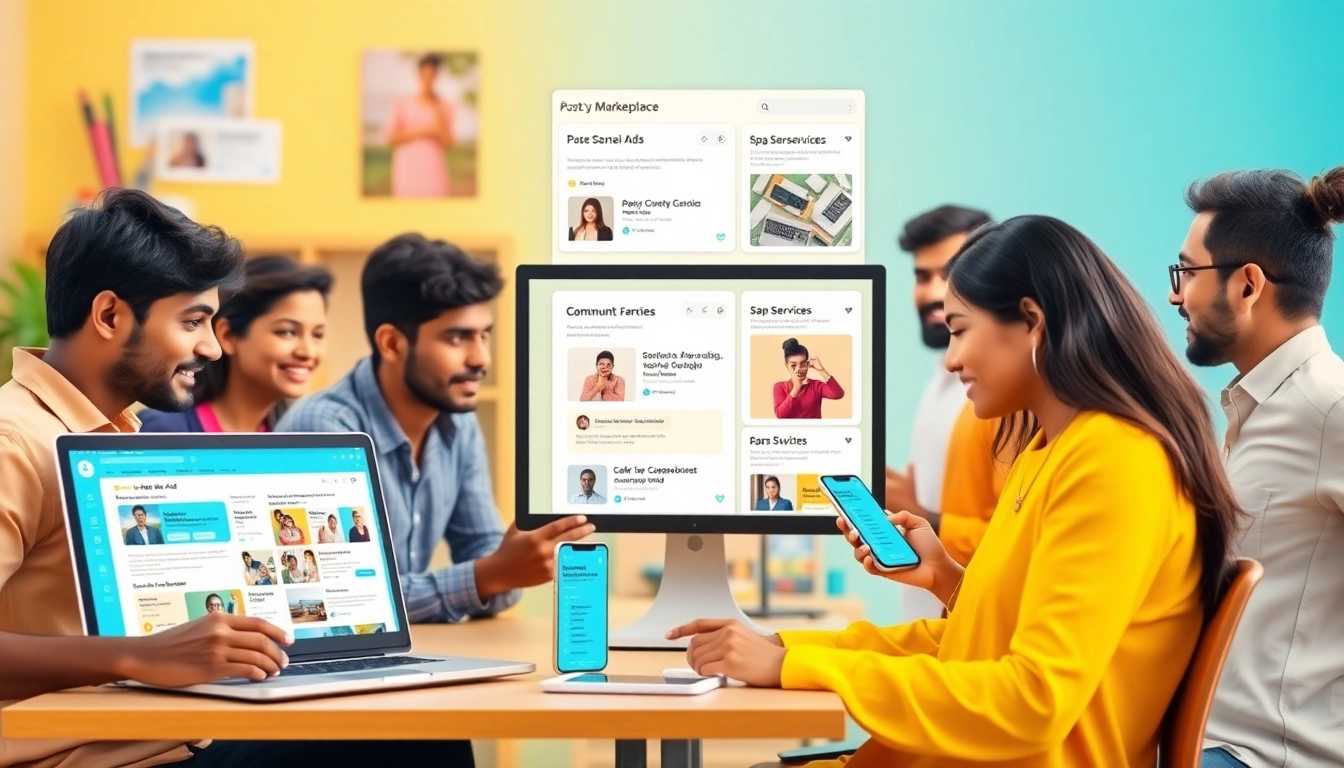
Lanka Add digital marketplace showcasing diverse users engaging with vibrant personal and spa ads in Sri Lanka.

Understanding the Landscape of Lanka Add

In the realm of online advertising, Lanka Add has emerged as a significant player in Sri Lanka, appealing to a diverse range of advertisers and consumers. With the rise of digital platforms, advertisers now have an unparalleled opportunity to connect with their target audience most effectively. This article explores the essence of Lanka Add, its evolution, and how it serves the needs of individuals and businesses looking to leverage online advertising in 2025. When exploring options, Lanka Add provides comprehensive insights into maximizing ad performance and visibility.

What is Lanka Add and Its Importance?

Lanka Add refers to a classified advertising platform tailored for the Sri Lankan market, allowing users to post ads across various categories including personal, services, jobs, and real estate. Its significance lies in its ability to facilitate connections between advertisers and potential customers, transforming the way businesses interact with their target demographic. Given the increasing number of users engaging online, it is crucial for advertisers to utilize platforms like Lanka Add to enhance their visibility and reach.

The Evolution of Online Advertising in Sri Lanka

Online advertising in Sri Lanka has experienced substantial growth over the past decade. Initially dominated by print media, businesses have shifted toward digital platforms, recognizing the effectiveness and cost-efficiency of online ads. Lanka Add has contributed to this evolution by providing a user-friendly interface and a broad audience reach, allowing advertisers to create targeted campaigns with minimal barriers to entry. In 2025, the landscape continues to evolve, with more businesses embracing digital strategies to remain competitive.

Key Benefits of Using Lanka Add for Advertisers

  • Cost-Effectiveness: Posting ads on Lanka Add is often free or low-cost compared to traditional advertising methods, making it accessible for small businesses.
  • Targeted Reach: Advertisers can easily target specific demographics, enhancing the likelihood of conversions.
  • Convenience: The platform allows for quick postings and easy modifications, enabling advertisers to respond to market demands rapidly.
  • Analytics and Tracking: Advertisers can utilize available analytics to gauge the performance of their ads, allowing for data-driven decisions.

How to Create Effective Ads on Lanka Add

Crafting Engaging Ad Content for Maximum Impact

Creating compelling ad content is essential for capturing the attention of potential customers. Advertisers should focus on clear messaging and appealing language that speaks directly to their target audience. Key tips include using strong headlines, clear calls to action, and persuasive language that highlights the benefits of the product or service being advertised.

Visual Elements to Enhance Your Lanka Add Listings

In the digital age, visual content plays a crucial role in attracting attention. Effective ads on Lanka Add should include high-quality images, videos, or graphics that complement the text. Visual elements can significantly enhance engagement and help distinguish your ad from the competition. Incorporating relevant visuals not only makes ads more attractive but also supports the overall messaging.

Understanding the Target Audience for Your Ads

To maximize the effectiveness of your ads, it is vital to understand who your target audience is. This involves researching demographics, behaviors, and preferences. Tailoring your ad content to resonate with your audience will foster a stronger connection and increase the likelihood of conversion. Utilize insights gained from analytics tools to refine your understanding of your audience over time.

Optimizing Your Lanka Add Strategy for 2025

SEO Techniques to Boost Your Ad Visibility

Incorporating SEO best practices into your ads can dramatically enhance their visibility on Lanka Add and beyond. Focus on using relevant keywords related to your product or service, optimizing titles and descriptions, and ensuring that your ad appears in relevant search results. Structured data and meta descriptions can also help improve your ad’s search engine ranking.

Utilizing Social Media to Drive Traffic to Your Ads

Social media platforms are invaluable for driving traffic to your ads. By promoting your Lanka Add listings on platforms like Facebook, Instagram, and Twitter, you can reach a wider audience. Engaging with your followers and creating shareable content can lead to increased visibility and traffic to your ads.

Leveraging Analytics for Continuous Improvement

Analytics tools are essential for measuring the success of your ads. By regularly reviewing performance metrics, you can identify what is working and what isn’t. This data-driven approach allows for continuous optimization of your ad strategy over time, enhancing overall effectiveness and return on investment.

Common Challenges and Solutions When Using Lanka Add

Identifying Fraudulent Listings and Ensuring Safety

One of the significant challenges in online advertising is the prevalence of fraudulent listings. Advertisers should remain vigilant by verifying the legitimacy of responses to their ads. Implementing safety measures, such as requiring personal identification for high-value transactions, can help mitigate risks associated with fraud.

Overcoming Competition in the Sri Lankan Advertising Market

The competition on platforms like Lanka Add can be intense, necessitating innovative ad strategies. To stand out, advertisers should focus on unique selling propositions and highlight what makes their offerings special. Creating a memorable brand image and consistent messaging can further enhance competitiveness.

Addressing User Feedback and Improving User Experience

User feedback is vital for improving the effectiveness of ads and overall user experience on Lanka Add. Engaging with users, responding to their concerns, and making adjustments based on their feedback demonstrates a commitment to customer satisfaction. This can lead to higher trust and better engagement with your ads.

Future Trends in Online Advertising and Lanka Add

Emerging Technologies Influencing Lanka Add

The future of online advertising is closely tied to emerging technologies. Innovations such as artificial intelligence and machine learning will play a significant role in optimizing ad placements and targeting. Advertisers should stay informed about these advancements to leverage them effectively in their campaigns.

Forecasting User Behavior and Market Demands

Understanding user behavior is crucial for anticipating market demands. By analyzing trends and shifts in consumer preferences, advertisers can adjust their strategies accordingly. Implementing predictive analytics can help businesses stay one step ahead in a competitive marketplace.

How to Stay Ahead in the Evolving Advertising Space

To maintain a competitive edge, it is essential for advertisers to continually adapt to changes in the advertising landscape. This includes staying updated on best practices, exploring new advertising platforms, and being open to testing innovative approaches to reach their audience. Emphasizing creativity and responsiveness will ensure success in the evolving landscape of online advertising.